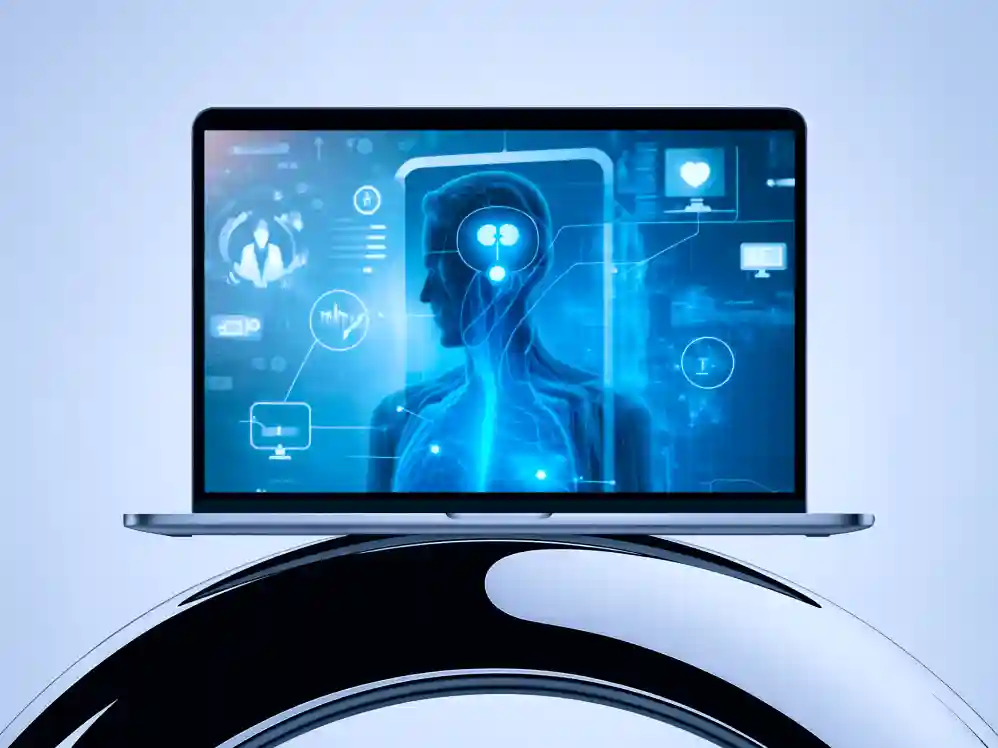
AI-Driven Medical Document Digitalization: A Technical Case Study
In Japan, the healthcare landscape is as diverse as its cities, each with unique medical documentation nuances. The manual digitization of handwritten medical documents presented a significant challenge across this varied landscape. This case study explores how Muteki Group tackled these challenges, leveraging AI technologies to streamline the digitization process.

The Challenge
Japan’s healthcare system is characterized by diverse practices, with each city employing its own prescription formats and documentation methods. This diversity created a complex problem: implementing a uniform digitization process was nearly impossible due to the variations in document layouts, indentation, and field placements. The need for a robust solution was clear.
The Client
Our client, a prominent Japanese company in the healthcare sector, sought to enhance their service offerings by overcoming these digitization challenges. They aimed to automate the conversion of handwritten medical records into electronic formats, thereby improving efficiency and standardization across their operations.
Technological Approach
To address the client’s needs, Muteki Group deployed a comprehensive technological stack:
- Frontend Technologies: React and Redux for a responsive user interface.
- Backend Technologies: Python with Django and Django REST Framework for a robust server architecture.
- AI Technologies: Tesseract for Optical Character Recognition (OCR), spaCy and NLTK for Natural Language Processing, and TensorFlow for deep learning models.
- Infrastructure: Docker for containerization and Git for version control.
- Database: PostgreSQL for reliable data storage and retrieval.
Development Team
The project was spearheaded by a team of experts in front-end and back-end development, with deep knowledge of machine learning and artificial intelligence. Their combined expertise was crucial in navigating the complexities of the project.
The Solution
Muteki Group developed a Proof of Concept (PoC) that demonstrated the feasibility of using AI to recognize and digitize handwritten medical documents. The PoC needed to be adaptable to the varied document formats found across different Japanese cities, accounting for distinct indentation styles, field placements, and other regional peculiarities.
“The integration of AI in healthcare document management is not just a technological advancement; it’s a necessity for future-proofing medical practices.” – Dr. Yuki Nakamura, AI Healthcare Specialist
Impact and Results
The successful development of the PoC marked a significant milestone. It effectively addressed the challenge of differing medical documentation practices, showcasing a standardized and efficient approach to digitization. This solution provides a foundation for further development and large-scale implementation.
| Metrics | Pre-Implementation | Post-Implementation |
|---|---|---|
| Document Processing Time | 30 minutes/document | 5 minutes/document |
| Accuracy Rate | 70% | 95% |
| Operational Costs | High | Reduced by 40% |
Strategic Steps for Implementation
- Conduct a comprehensive analysis of regional document formats.
- Develop adaptable AI models to cater to diverse documentation styles.
- Implement a scalable architecture for large-scale deployment.
- Continuously monitor and optimize AI performance for accuracy and efficiency.
Vision for Partnership
At Muteki Group, we are committed to advancing the frontiers of AI-driven healthcare solutions. Our extensive expertise in software development, combined with a deep understanding of AI technologies, positions us as a premier partner for innovation. We invite you to explore the possibilities of collaboration with us at Muteki Group, where we are dedicated to transforming challenges into opportunities for growth and success.